
Brighter Days Are Here
The night before we opened the doors, I walked across our campus long after the sun had set.
The lights were still on.
Staff moved quietly between buildings. Chairs were being arranged. Floors were being swept one more time. Papers stacked neatly. Beds prepared carefully.
There was a sense that we were standing on holy ground.
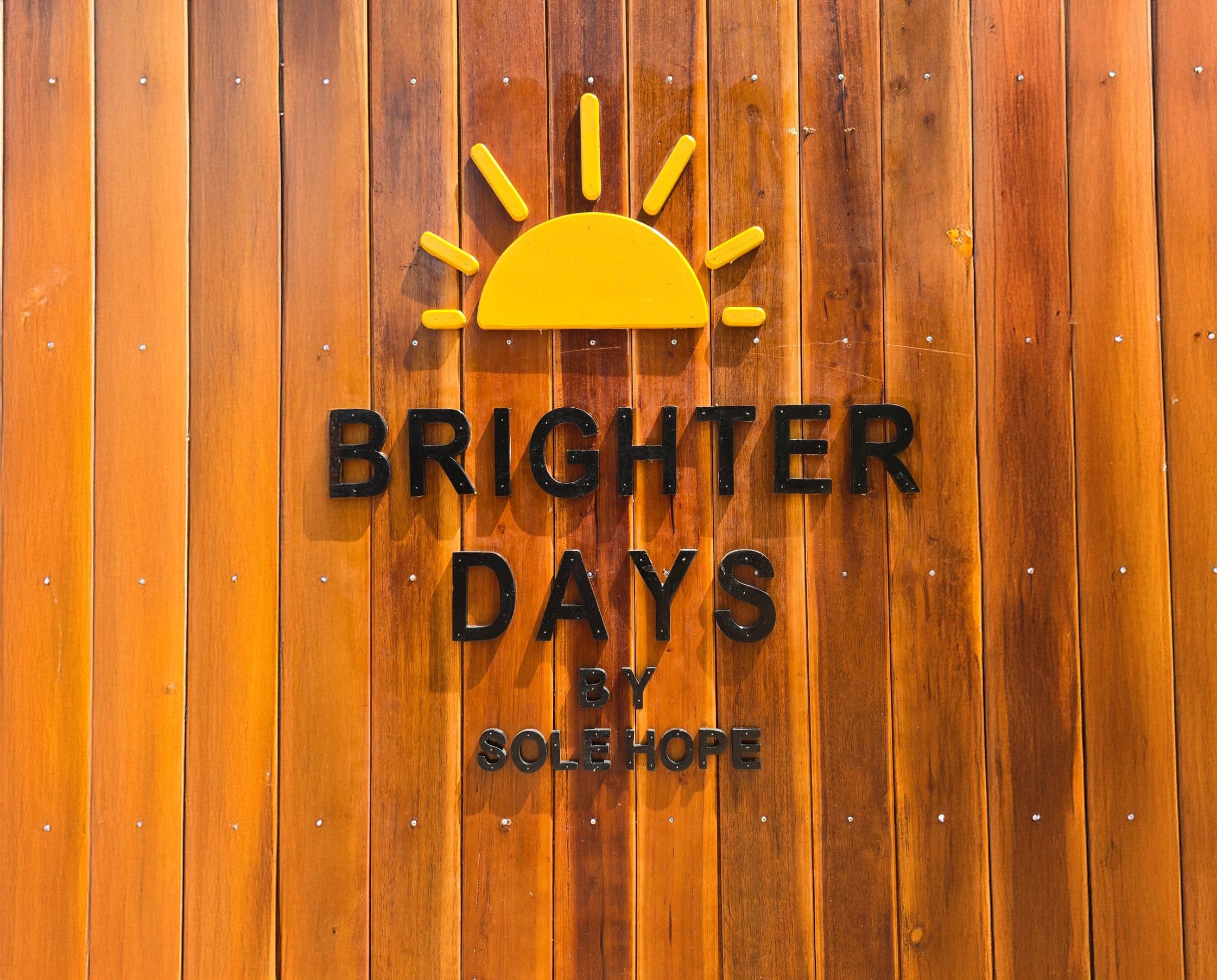
Moments like this only come once in a lifetime.
For 15 years, we have walked the dusty roads of Eastern Uganda. We have sat on dirt floors and gently removed jiggers from tiny feet. We have watched children take their first steps again. We have seen wounds close and dignity restored.
We have seen miracles.
But we have also seen something deeper.
We have seen the look in a child’s eyes long after the parasites were gone.
We have seen fathers trapped in alcoholism that keeps their families cycling back into crisis.
We have seen trauma that no pair of shoes can fix.
We can restore feet.
But if we do not restore hope, the cycle continues.
On February 13, we opened The Brighter Days Mental Health Center, the only private mental health and substance abuse treatment facility of its kind in Eastern Uganda.
It provides Christ-centered, trauma-informed mental health care that has not previously existed in this region.
This is not mission drift.
It is mission depth.
“If we only heal what is visible, we leave the deepest wounds untouched. Brighter Days exists because freedom must reach further than the skin.”
For years, we have treated the physical wounds of extreme poverty. We have extracted more than 1.5 million jiggers. We have treated over 100,000 patients. We have distributed more than 270,000 pairs of protective shoes.
And yet, 45 percent of the patients we treat for jiggers present with critical mental health issues.
Earlier assessments showed up to 80 percent display visible mental disorders.
Re-infestation rates climb as high as 28 percent, often linked to untreated mental illness and alcoholism.
We began to see what you likely have already sensed.
Physical healing is not enough.
Uganda has approximately 80 psychiatrists serving more than 45 million people. In Jinja, the only government mental health unit saw monthly patients more than double, from 400 to 900, most under the age of 25.
The need is overwhelming. The access is almost nonexistent. The stigma is heavy.
And in Eastern Uganda, there has been no dedicated private center offering trauma-informed counseling, child-focused mental health services, substance abuse treatment, and holistic emotional restoration.
Until now.
Brighter Days exists because children deserve more than survival.
They deserve freedom.
This center provides mental health assessment and diagnosis, individualized treatment plans, counseling and psychotherapy, medically supervised detox, psychiatric medication, crisis intervention, family support, and community prevention programs.
All delivered through a Christ-centered framework grounded in professional clinical standards and compassionate care.
It also includes residential options, meals, security, and a team trained to walk with families through both crisis and restoration.
This is not a side project.
It is now a core pillar of our 2025 to 2029 Strategic Plan, alongside jigger treatment, child protection, and economic empowerment.
We are treating the whole person.
Some of you may quietly wonder: Are we moving away from what we have always done?
The answer is no.
We are going deeper.
When a child’s feet are healed but their trauma is not, they remain vulnerable.
When a father is freed from parasites but remains captive to addiction, the family remains fragile.
When depression, anxiety, and unresolved trauma go untreated, prevention collapses. Hygiene declines. Motivation fades. Poverty tightens its grip.
If we truly believe in walking in freedom from life-threatening disease and exploitation, then freedom must include the mind.
Freedom is physical.
Freedom is emotional.
Freedom is mental.
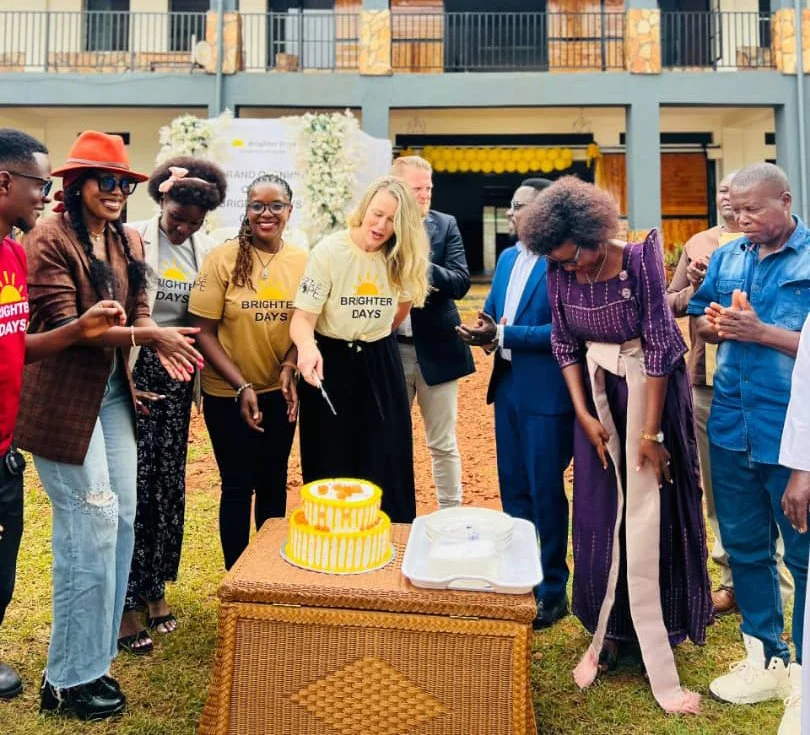
During our Brighter Days End of Year campaign, we talked about light breaking through darkness. About hope rising in places where it once seemed impossible.
This is that light.
Brighter Days is not just a building overlooking the Nile River. It is a declaration.
It declares that trauma does not get the final word.
It declares that addiction does not get the final word.
It declares that poverty does not get the final word.
We have built this center with sustainability in mind. For those who are able to pay for services, a fee-based component helps offset operational costs and strengthen long-term resilience. At the same time, vulnerable families will continue to receive care.
We are not building something fragile.
We are building something that can endure.
I believe the next 15 years in Eastern Uganda will look different because of what began on February 13.
I believe families will stay together who otherwise would have fractured.
I believe children will not only walk again, but dream again.
I believe communities once silent about mental health will begin to speak openly.
And I believe this is only the beginning.
To every monthly supporter reading this, you are part of this story.
Your generosity did not just help remove parasites. It helped build a foundation strong enough to go deeper.
You have stood with us as we treated wounds. Now you are standing with us as we treat hearts and minds.
Today, I simply want to say thank you.
Celebrate with us.
Pray for the team who will walk with families through some of their darkest days.
Pray for courage as we confront stigma.
Pray for protection over the children who will find healing here.
And please share this story.
Share it because hope is contagious.
Share it because Eastern Uganda deserves to know that something new has begun.
Share it because brighter days are no longer a campaign theme.
They are a reality.
And because of you, they are just getting started.
Asher Cooley
Founder, Sole Hope
Asher founded Sole Hope in 2010 and has spent the past 15 years serving vulnerable communities across Eastern Uganda through holistic health and restoration initiatives.