
How a painful problem became a movement of hope in Uganda.
Sole Hope began when Asher Cooley, a young mother of two and foster mom in Asheville, North Carolina, watched a heartbreaking video about a crisis in East Africa called jiggers.
At first, she thought they were like chiggers. Then she saw children suffering from a painful, preventable condition that was stealing their ability to walk, attend school, and live with dignity.
Asher searched for an organization helping the most vulnerable families affected by jiggers, but she could not find one. What she found instead was silence around one of the world's most overlooked tropical diseases, clinically known as tungiasis.
"What if that was my child on the other side of the world, and I had the resources to help, but chose to close my computer and call it someone else's problem?"— ASHER COOLEY
That question became the beginning of Sole Hope. Compassion moved into action, and a simple desire to help grew into a locally led movement bringing medical care, education, protective shoes, and restored hope to children in Uganda.
Seeing what no one else was treating
Most people around the world have never heard of jiggers, but for vulnerable families in Uganda, they can become devastating. This tiny sand flea burrows into the skin, often affecting the feet first, then causes intense pain, swelling, infection, and, in severe cases, life-threatening complications.
Jiggers can affect anyone without proper hygiene education, safe living conditions, access to treatment, or a simple pair of closed-toe shoes. They spread where families live with limited resources, keeping children out of school and stripping away dignity.
Asher met children who limped toward her, children carried by older siblings, and children trying to walk on feet that were swollen, raw, and painful to touch. Many could not stand without crying.
Mothers held their children close as Sole Hope looked at their wounds. Many carried embarrassment and shame, not because they had done anything wrong, but because they had been left without resources, support, or a clear way forward.
"A preventable crisis was harming thousands of vulnerable children in Uganda, yet there was almost no coordinated response. No dedicated clinics. No widespread prevention education. No locally protective shoes for children who needed them most."
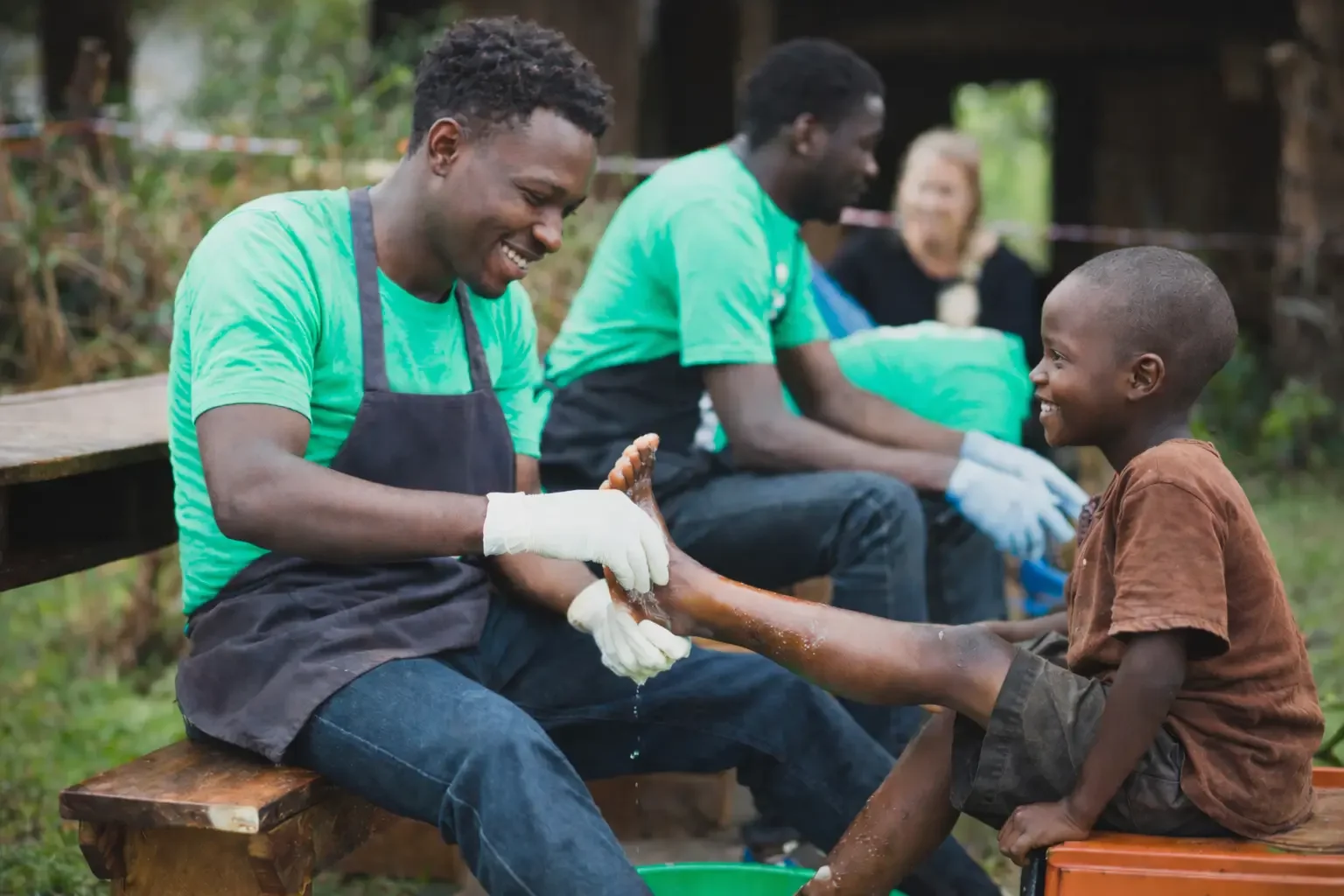
"Asher realized this was a problem we could help solve. Sole Hope was born from the belief that no child should lose their childhood, their dignity, or their ability to walk because of something preventable and treatable."
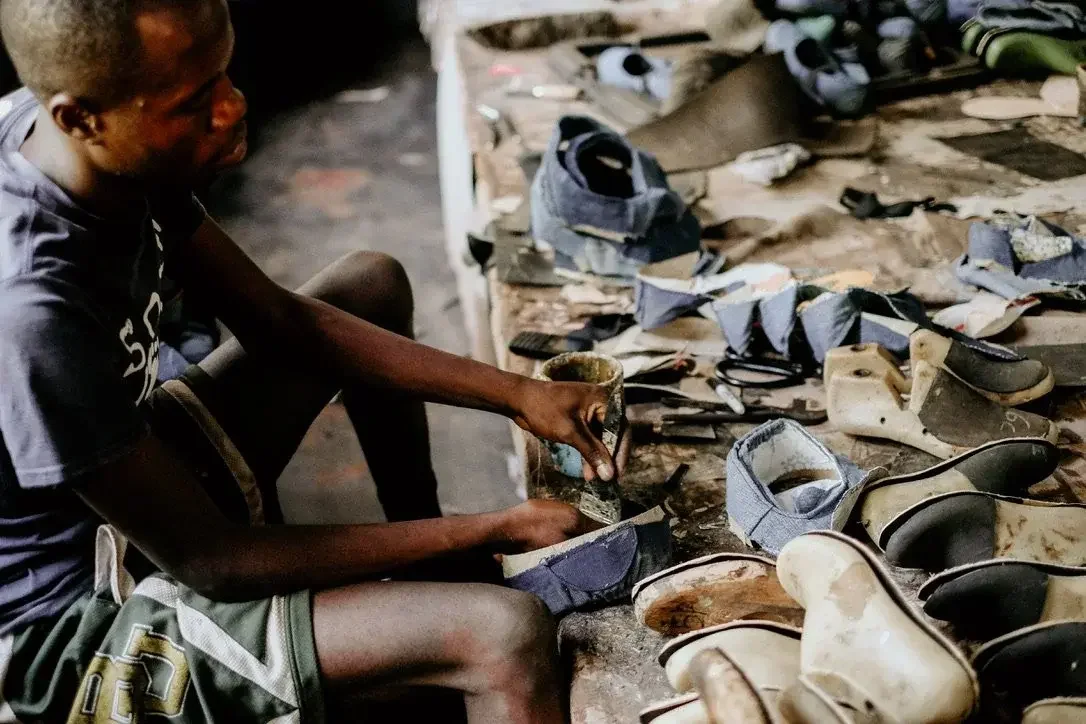
A simple closed-toe shoe that changed everything.
It began with a vision and a simple understanding of pattern making. The Sole Hope denim shoe upper was first sketched on paper, cut out, and stitched together in Asher's living room.
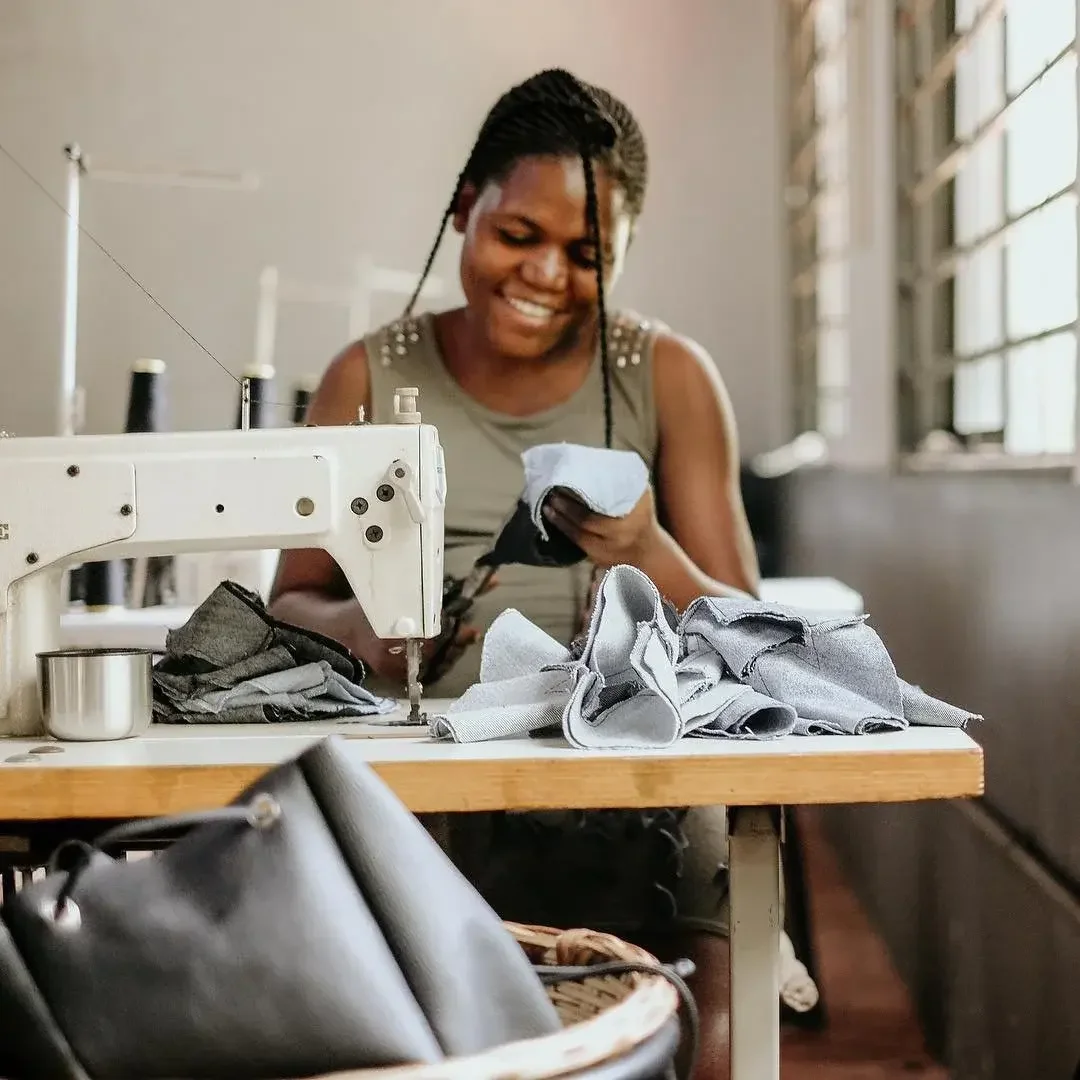
As friends began asking how they could help, the Shoe Cutting Party was born. Volunteers cut shoe pieces from denim, pinned them together, and sent them to Uganda. There, Ugandan tailors stitched the uppers, and local shoemakers shaped durable soles from recycled tires. What emerged was a simple, strong, closed-toe shoe that protected healing feet and gave children a safe way to walk again.
The first time a pair was placed on a child's feet, everything changed. A child who had been limping stood a little taller. A mother exhaled with relief. In that moment, hope became visible.
"Isn't it our duty to share the gifts and resources we have with the precious souls on the other side of the world whose soles are being ravaged by something preventable and treatable?"— ASHER COOLEY
"What started as one pair of shoes became something much greater: protection for vulnerable children, dignified work for Ugandan artisans, and a practical, locally led solution rooted in compassion."
A locally led team serving children across Uganda.
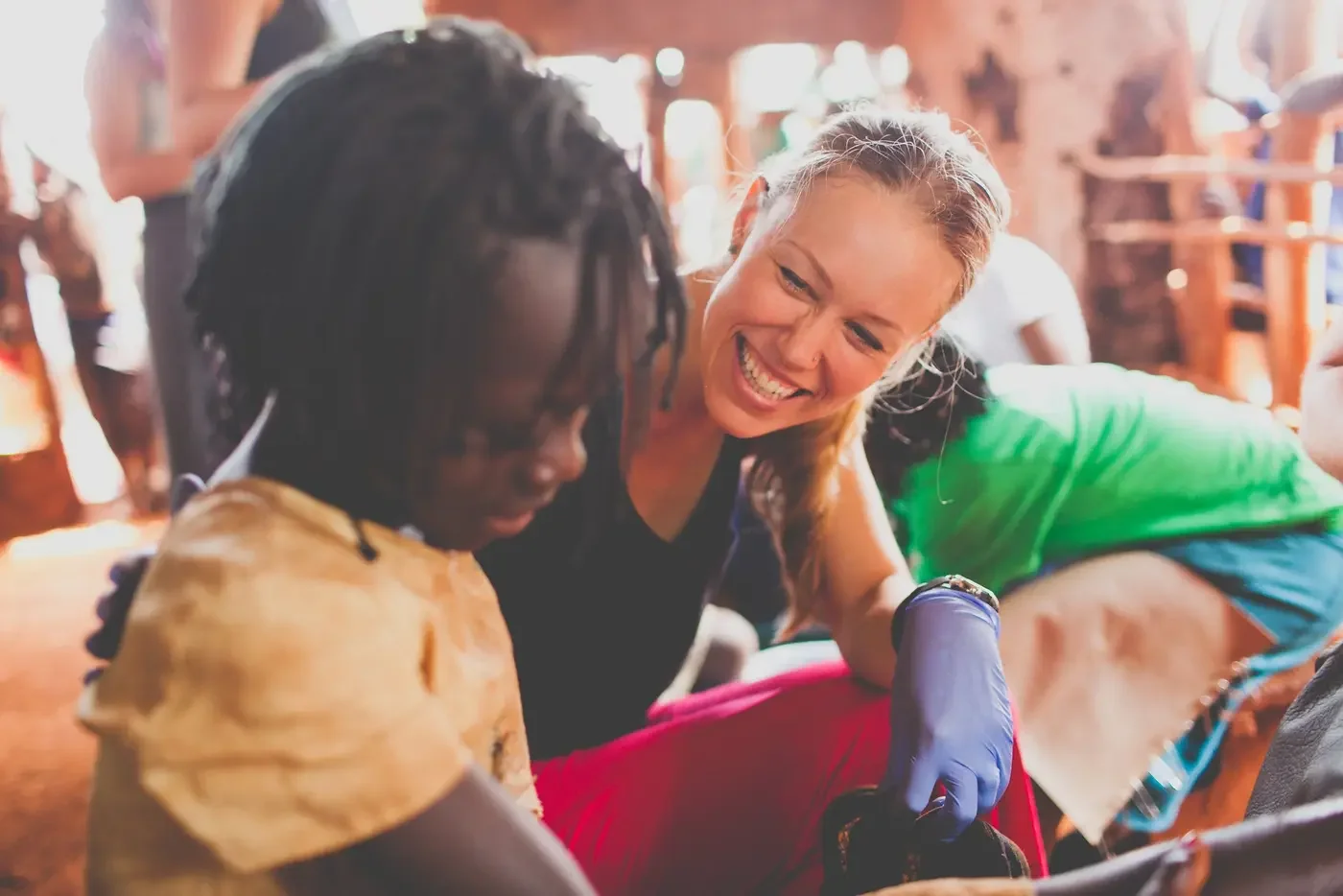
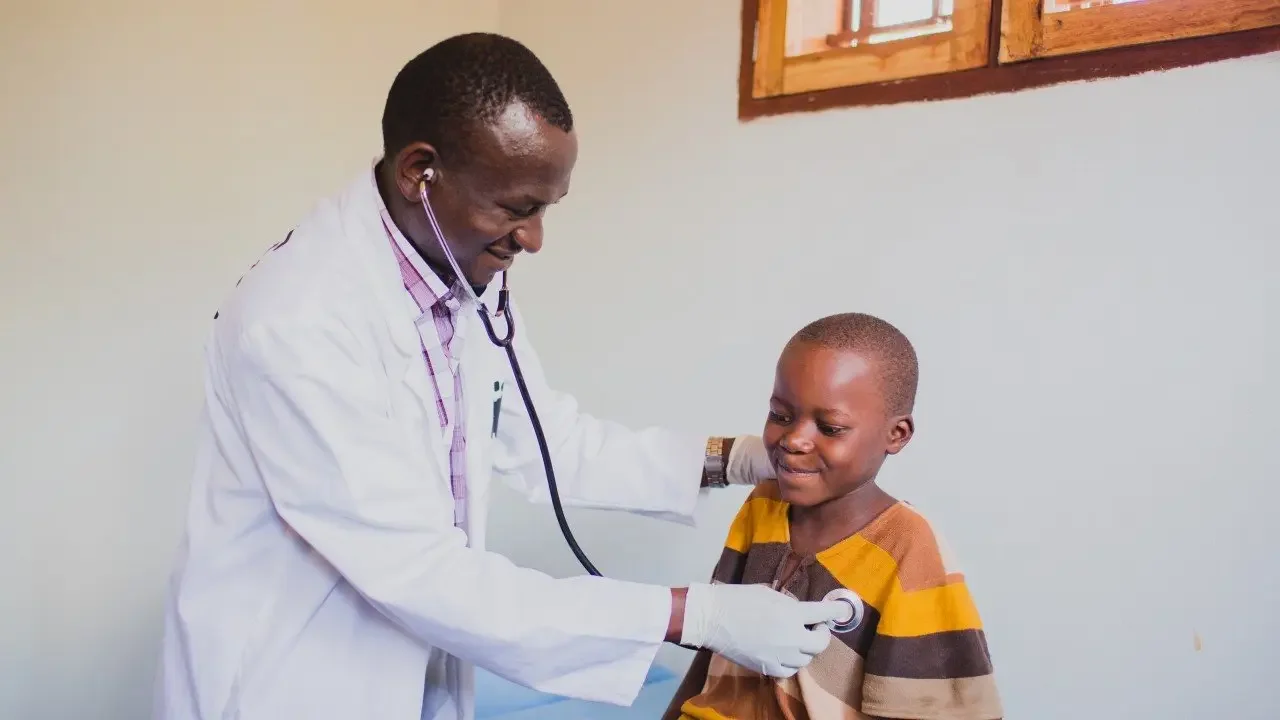
Today, Sole Hope is led by a remarkable Ugandan team. We have 62 staff members who serve children and families with skill, humility, and compassion.
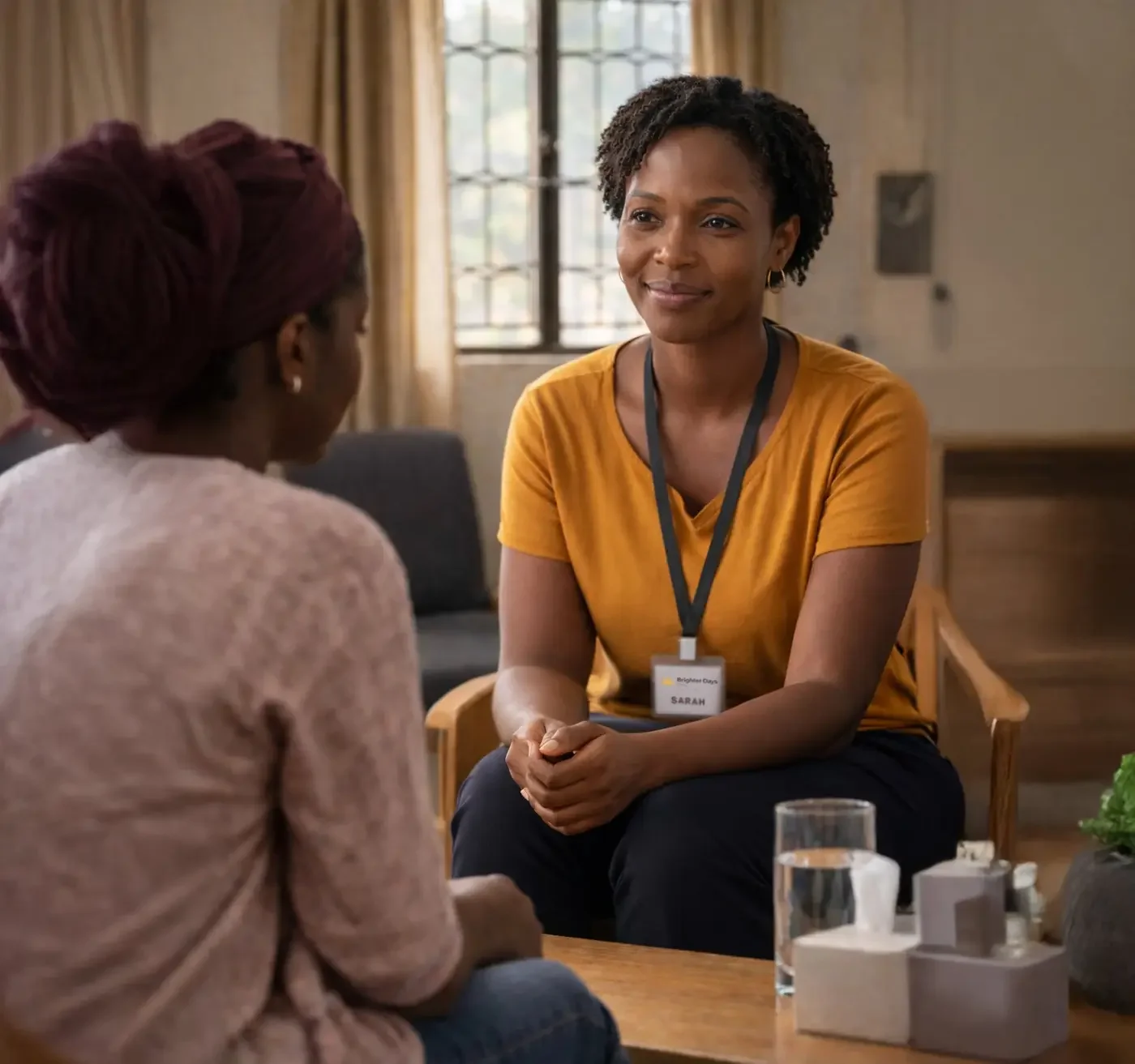
Our team includes doctors, nurses, social workers, psychologists, community educators, drivers, tailors, shoemakers, and local leaders who know every village and every story.
In our shoemaking workshop, artisans craft every pair of shoes by hand using recycled denim and tire soles. These shoes protect children from reinfestation and open up opportunities that going barefoot held them back from.
Ugandan Staff
on the team
- Medical professionals on staff.
- Social workers & psychologists.
- Local tailors & shoemakers.
- Community health educators.
“Caring for the whole child.”
Weekly school and community clinics
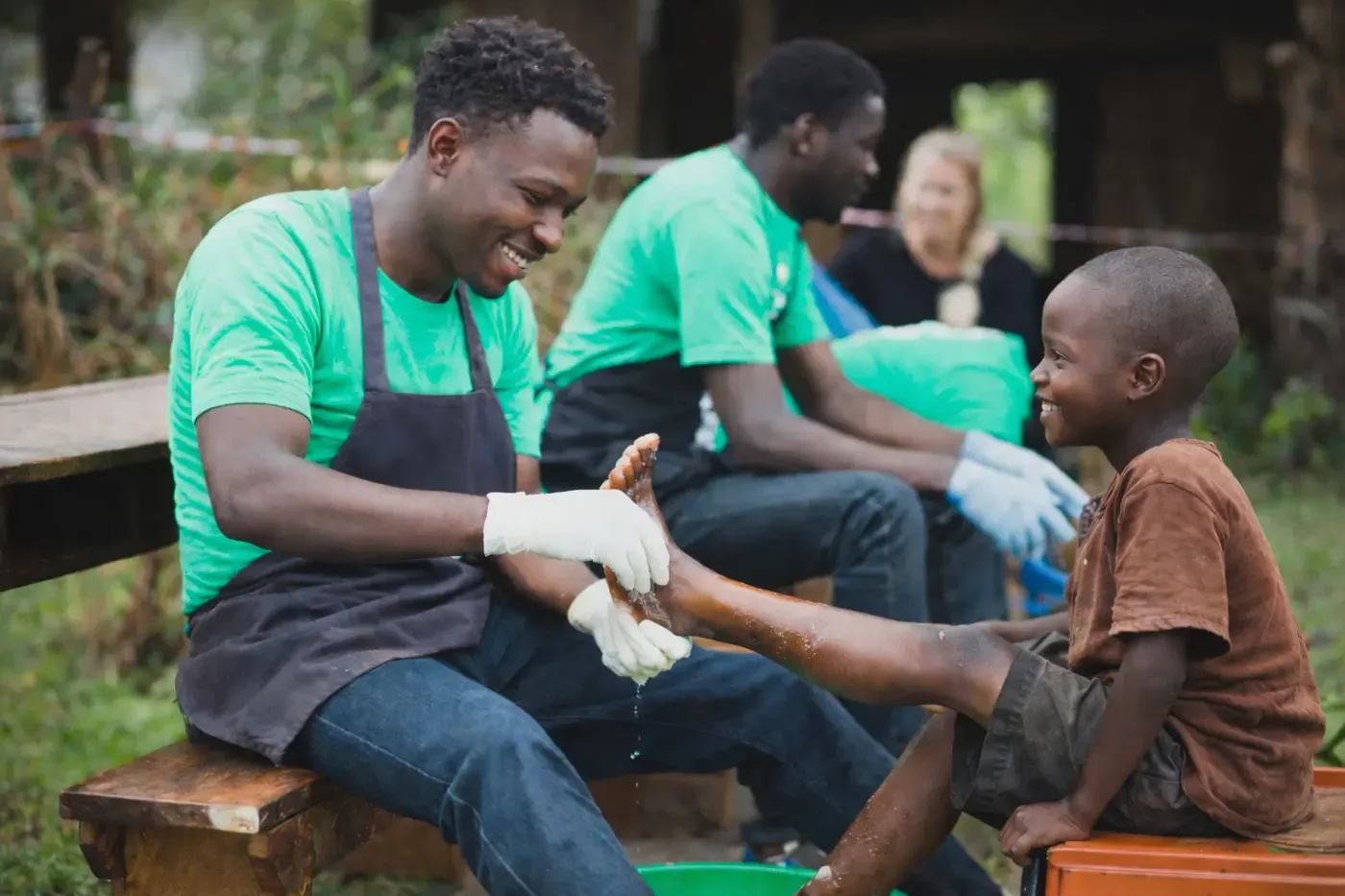
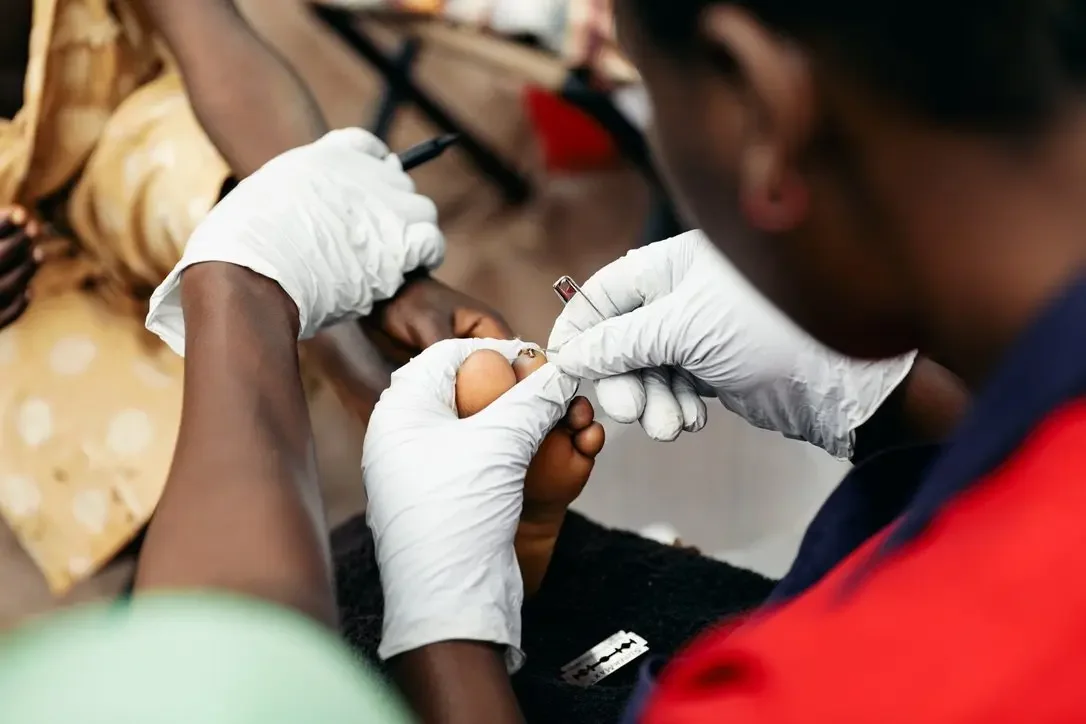
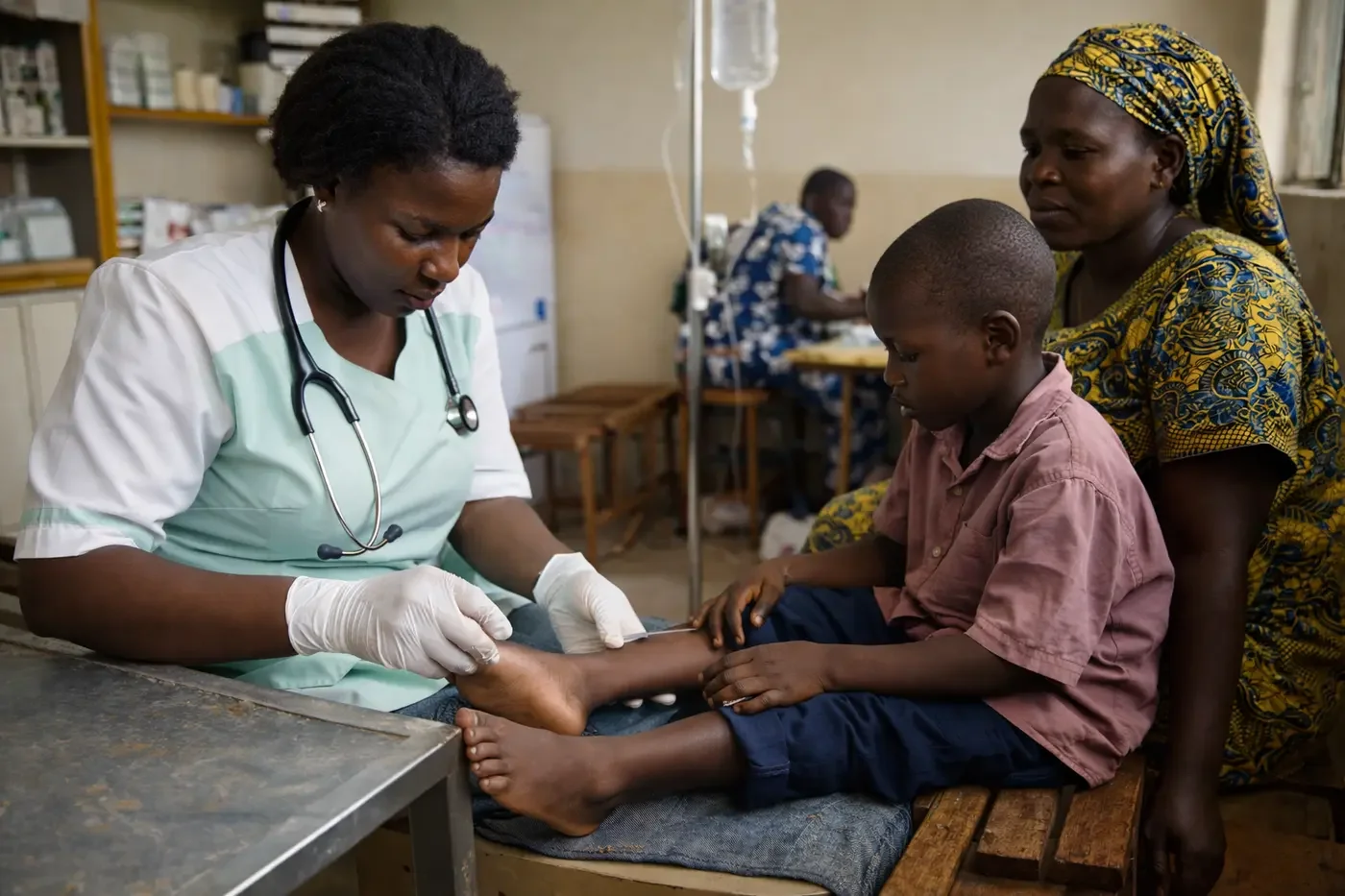
Our mobile medical clinic travels weekly into rural and semi-urban communities throughout Uganda. Guided by local leaders, our doctors and nurses wash, disinfect, and carefully treat affected children, while teaching them protective hygiene habits on-site.
- Mobile clinic outreaches conducted directly in-field where children live and play.
- Thorough washing, careful medical jigger removal, and clinical wound dressings.
- Practical interactive foot care and hygiene education sessions for parents and children.
From villages in Uganda to living rooms around the world.
Sole Hope's story is bigger than one organization. It is a growing movement of people who refuse to look away from a problem they can help solve. Around the world, thousands of people host Shoe Cutting Parties. They gather friends, lay denim on tables, trace patterns, and cut out shoe uppers that will be finished by our team in Uganda.
Want to be part of the story?
You can host a Shoe Cutting Party, support clinics, or help provide shoes and care for children who are waiting for relief.