
We keep showing up until pain stops being normal.
In rural Uganda, jiggers can limit walking, school, work, and dignity. Mobile clinics bring care into villages and schools, week after week, so families do not have to wait for help.
This is the program that built Sole Hope. Simple care, repeated consistently, until a community can stay well.
See how all our programs connectSevere cases are referred to The Hope Center for longer-term healing.
Why mobile clinics matter
Jiggers are treatable, but many families live far from consistent care. When help is delayed, pain grows, shame grows, and severe cases become common.
Mobile clinics shorten the distance. They also create follow-up. We return, track progress, and keep showing up until reinfestation drops.
What happens on a clinic day
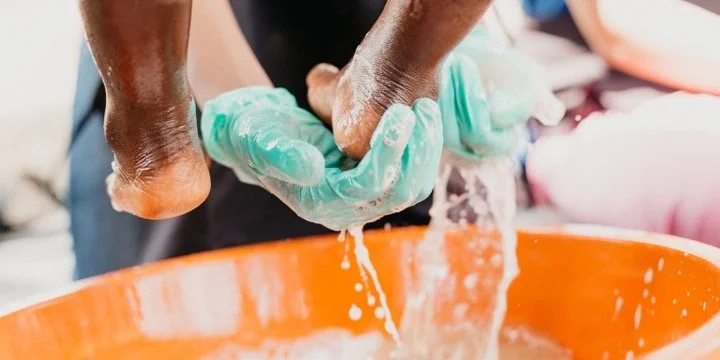
- Feet are washed and assessed with dignity
- Jiggers are treated and wounds are cared for
- Shoes are provided to protect healing feet
- Prevention education helps families stay well
- Follow-up plans identify who needs ongoing support


What changes when care comes close
When treatment happens early and shoes protect healing feet, families can move again. Children return to school. Parents return to work. Shame loses its grip.
How this connects to our other programs
- Mobile clinics bring fast relief and prevention into communities
- Walk In Freedom Clinics place treatment inside government health centers for long-term scale
- Severe cases are referred to The Hope Center for residential recovery
- Brighter Days supports healing that includes trauma, shame, and addiction
What people usually want to know
Is this a one-time visit to a village?
Why are shoes part of medical care?
What happens when someone has a severe case?
How do you choose where to go?
How does this differ from Walk In Freedom Clinics?
This is what consistency looks like
Mobile clinics are not complicated. They are the decision to return, again and again, until people can walk without pain and communities can stay well.
Talk with our teamWant to learn more first? Start with the Our Work overview page.